How Sleep Apnea Is Diagnosed: In-Clinic Vs. At-Home Sleep Tests
How Sleep Apnea Is Diagnosed: In-Clinic Vs. At-Home Sleep Tests
Sleep apnea is a common condition that causes breathing to repeatedly stop and start during sleep. Many people first notice symptoms such as loud snoring, daytime fatigue, or waking up feeling unrested. However, the only way to confirm sleep apnea is through proper testing.
Understanding how sleep apnea is diagnosed can help you take the next step toward treatment and better sleep.
Why Sleep Apnea Testing Is Important
Sleep apnea affects more than just your sleep quality. Repeated breathing interruptions can lower oxygen levels and place stress on the body throughout the night.
Common symptoms that may lead to testing include:
- Loud or chronic snoring
- Waking up gasping or choking
- Morning headaches
- Daytime sleepiness
- Difficulty concentrating
A sleep test measures breathing patterns and other key indicators to determine whether sleep apnea is present and how severe it may be.
In-Clinic Sleep Studies
An in-clinic sleep study, also called polysomnography, takes place overnight in a sleep center. During the study, medical professionals monitor multiple body functions while you sleep.
These tests typically measure:
- Breathing patterns
- Oxygen levels
- Heart rate
- Brain activity
- Body movement
Because this type of study collects detailed information, it can diagnose a wide range of sleep disorders.
At-Home Sleep Tests
At-home sleep tests offer a more convenient option for many patients. With this test, you sleep in your own bed while wearing a small monitoring device.
Most at-home tests track:
- Airflow and breathing pauses
- Oxygen levels
- Heart rate
- Snoring patterns
While these tests record fewer measurements than in-clinic studies, they can still detect many cases of obstructive sleep apnea.
How Dentists Help Treat Sleep Apnea
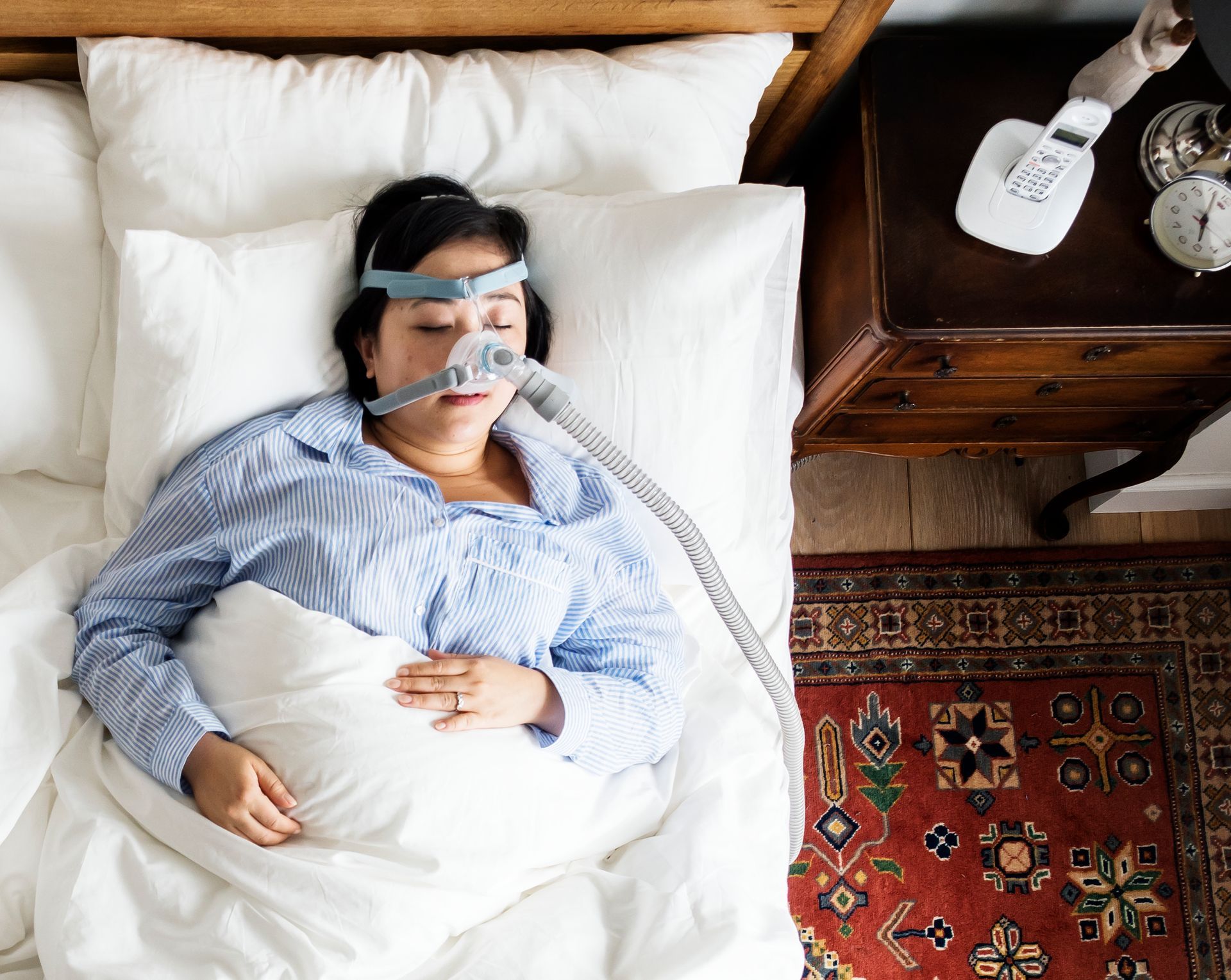
Once sleep apnea has been diagnosed, many patients explore treatment options beyond CPAP therapy. Dentists trained in sleep apnea treatment can provide oral appliance therapy, which uses a custom-fitted device worn during sleep.
These oral appliances work by gently repositioning the jaw to help keep the airway open throughout the night.
Benefits of oral appliance therapy may include:
- Reduced snoring
- Improved airflow during sleep
- A small, comfortable device that is easy to travel with
Taking The Next Step Toward Better Sleep
Sleep apnea testing is the first step toward understanding why snoring and poor sleep may be happening. Once a diagnosis is confirmed, several treatment options can help improve breathing and sleep quality.
If you have been diagnosed with sleep apnea or suspect you may have it, a dental sleep consultation can help determine whether an oral appliance may be an effective solution for quieter nights and more restful sleep.
Contact Dr. John Aylmer at to schedule an appointment at Snoring and Sleep Apnea Solutions in Weston, FL 33326.