What Is Sleep Apnea? Understanding the Basics and Symptoms
What Is Sleep Apnea? Understanding the Basics and Symptoms
Sleep apnea is a common sleep disorder that affects millions of people. It occurs when your breathing stops or becomes very shallow while you sleep. These pauses in breathing, called apneas, can last from a few seconds to a minute or more and may happen many times throughout the night. Because of these interruptions, your body doesn’t get the oxygen it needs, even if you think you’re sleeping through the night.
Types of Sleep Apnea
The most common form is obstructive sleep apnea, which happens when the muscles in the back of your throat relax too much. This can narrow or close your airway, making it difficult to breathe. There is also central sleep apnea, which is less common and occurs when your brain doesn’t send the proper signals to your breathing muscles.
Common Symptoms
Recognizing sleep apnea is important for your health. Some symptoms you might notice include:
- Loud or persistent snoring
- Gasping, choking, or snorting during sleep
- Waking up with a dry mouth or sore throat
- Morning headaches
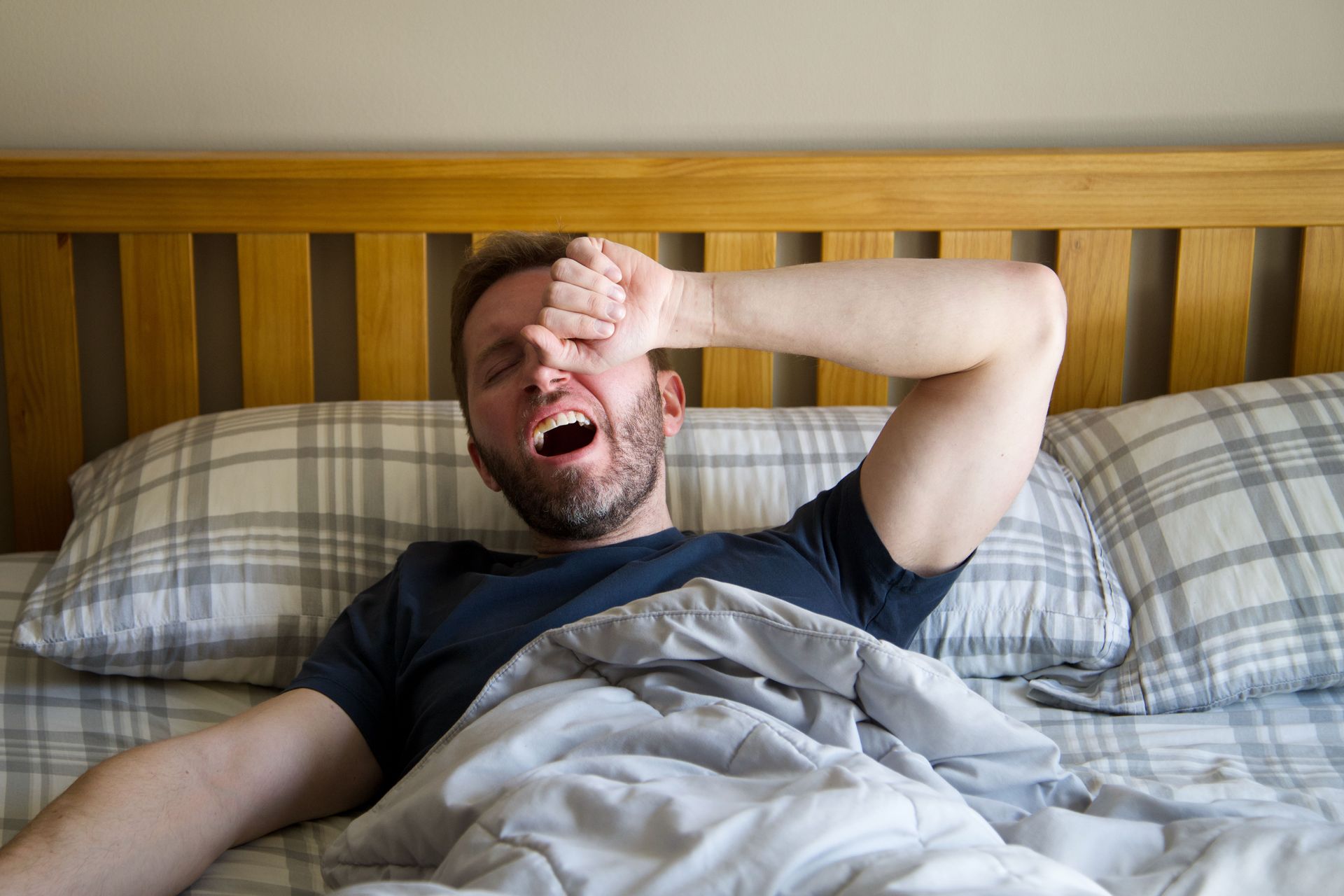
- Daytime fatigue or trouble staying awake
- Difficulty concentrating or remembering things
- Mood changes, including irritability or depression
Health Risks
If left untreated, sleep apnea can increase the risk of serious health problems. These include high blood pressure, heart disease, stroke, diabetes, and other complications related to poor oxygen levels and disrupted sleep.
Next Steps
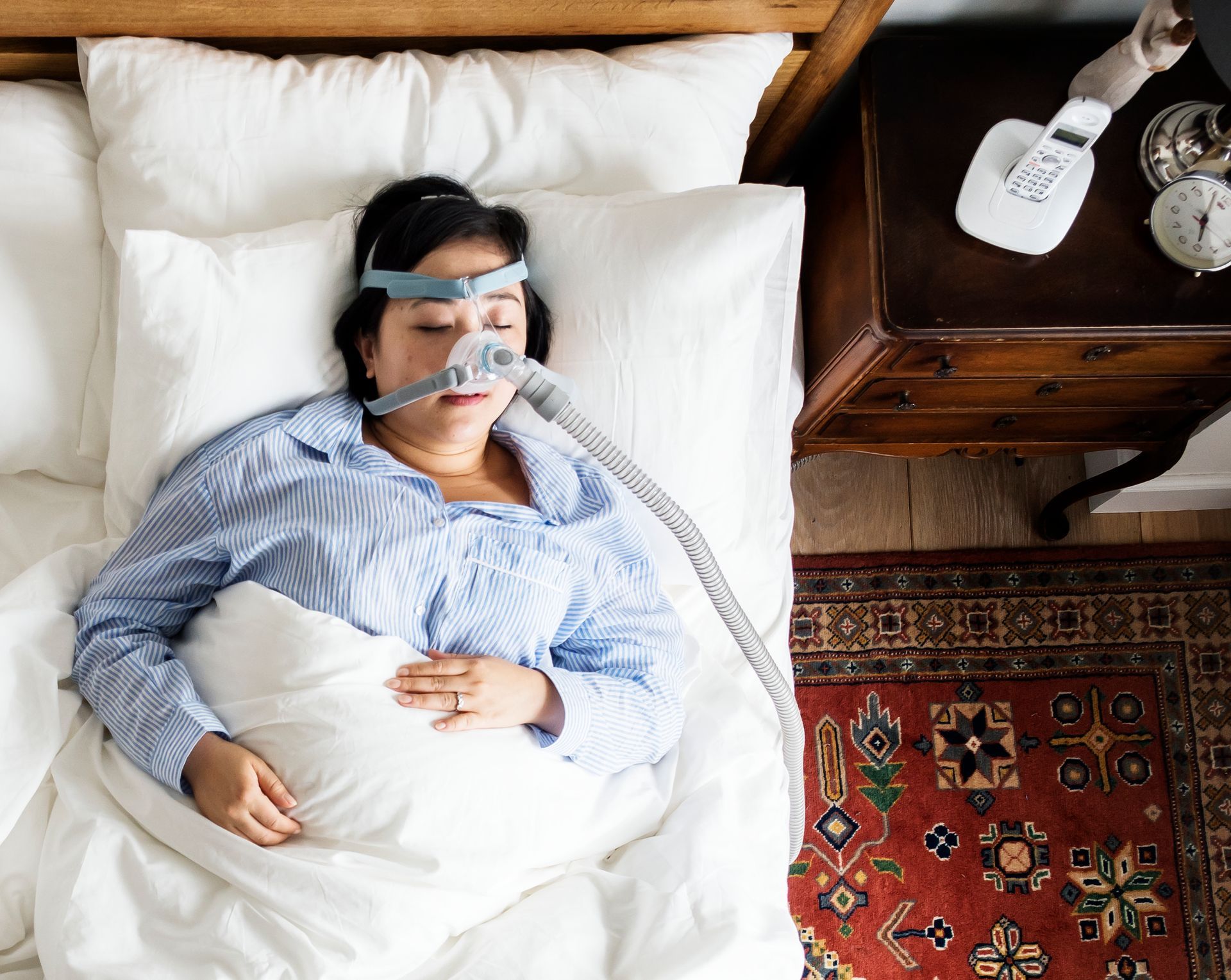
If you recognize these symptoms in yourself or a loved one, a professional evaluation is important. Diagnosis usually involves a sleep study, which can often be done at home or in a clinic. From there, treatment options like oral appliances or CPAP therapy can help restore restful sleep. Getting help early can improve your sleep, energy, and overall health.