Risk Factors For Sleep Apnea: Are You At Risk?
Risk Factors For Sleep Apnea: Are You At Risk?
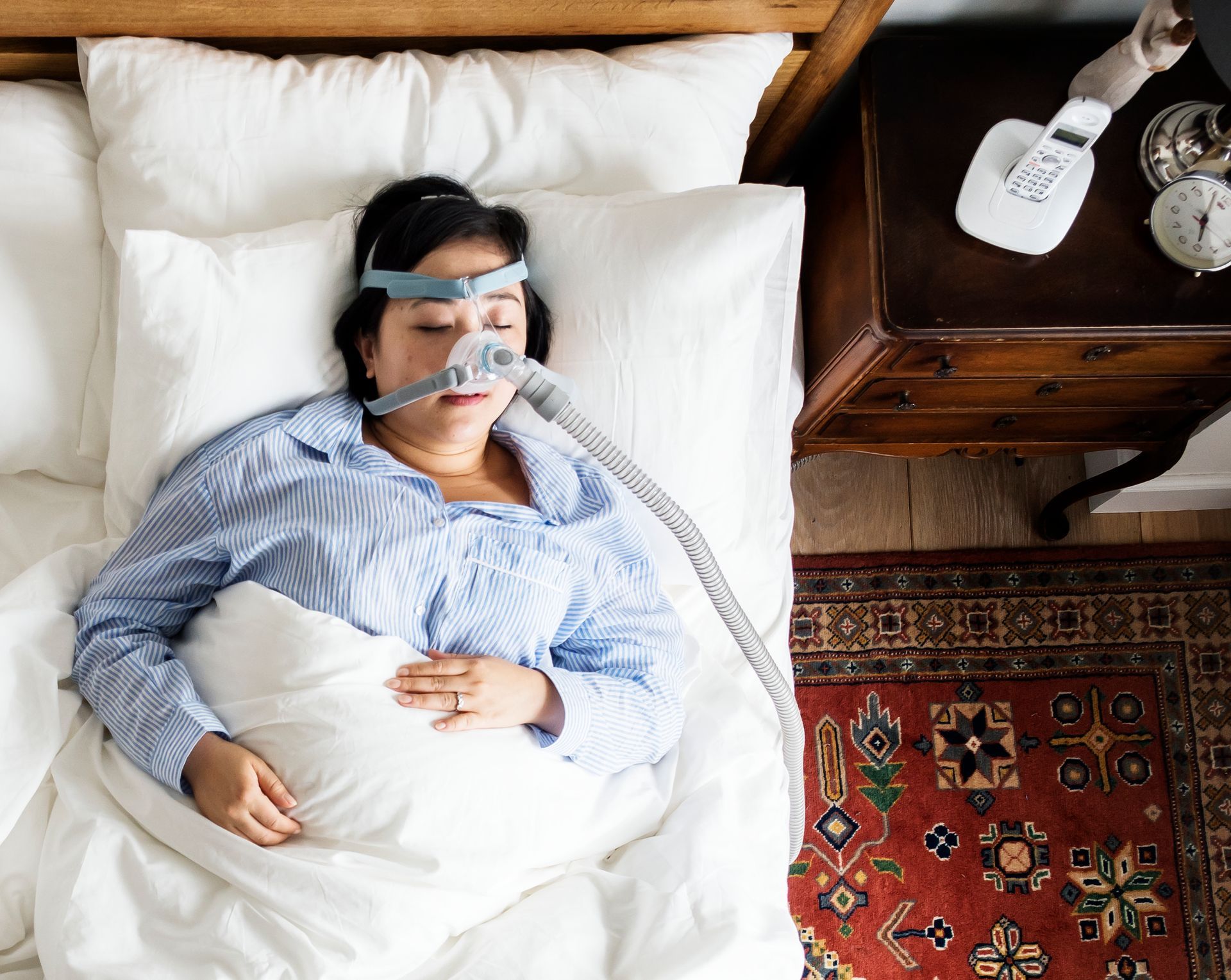
Sleep apnea is a condition that affects how you breathe while you sleep. It can cause repeated pauses in breathing, often without you realizing it. Over time, this can impact your sleep quality and overall health. Recognizing your risk factors is an important first step toward getting the care you need.
Common Risk Factors To Know
Sleep apnea can affect anyone, but certain factors may increase your risk. Being aware of these can help you take action sooner.
You may be at higher risk if you:
- Snore loudly or frequently
- Feel tired even after a full night’s sleep
- Are overweight
- Have a family history of sleep apnea
- Have a narrow airway or certain jaw structures
- Are over the age of 40
Men are more commonly affected, but women—especially after menopause—can also develop sleep apnea.
Signs You Shouldn’t Ignore
In addition to risk factors, there are symptoms that may point to sleep apnea. These can sometimes go unnoticed, especially if they occur during sleep.
Watch for:
- Morning headaches
- Dry mouth upon waking
- Difficulty concentrating
- Irritability or mood changes
- Gasping or choking during sleep
If these symptoms sound familiar, it may be time to look deeper into what’s causing them.
How Oral Health Plays A Role
Your oral structures, including your jaw and airway, can influence your risk of sleep apnea. In some cases, dental treatments can help support better airflow during sleep. This is one reason why discussing sleep concerns during dental visits can be helpful.
What You Can Do Next
If you think you may be at risk, a professional evaluation can provide clarity. Identifying the condition early can help you avoid more serious complications down the road. Now is a great time to take the next step toward improving your sleep and overall well-being.
Contact Dr. John Aylmer at to schedule an appointment at Snoring and Sleep Apnea Solutions in Weston, FL 33326.